ConvertPixel.cloud

Private browser conversion

JPG to WebP Converter for Faster, Lighter Website Images

JPG to WebP conversion helps turn heavier JPG and JPEG files into lighter WebP images that load faster while keeping strong visual quality. ConvertPixel.cloud is a browser-based JPG to WebP converter that lets you convert JPG to WebP online with private, on-device processing, no uploads, and built-in quality control.

Whether you need to convert JPEG to WebP for a blog, product page, or WordPress upload, the tool gives you a clean way to reduce image weight, preview output quickly, and download optimized WebP files in seconds.
Runs in your browserNo uploads requiredQuality control includedFast WebP downloadPrivate by defaultMobile friendly

JPG to WebP converter

Convert JPEG to WebP in a cleaner workspace

Drop a JPG or JPEG, adjust quality, preview the result, and export a web-ready WebP file.

Quality
82%

Input file

No file selected

Output file

Awaiting file

Local browser processing only.

Select an image to activate conversion, preview output, and unlock secure instant download.

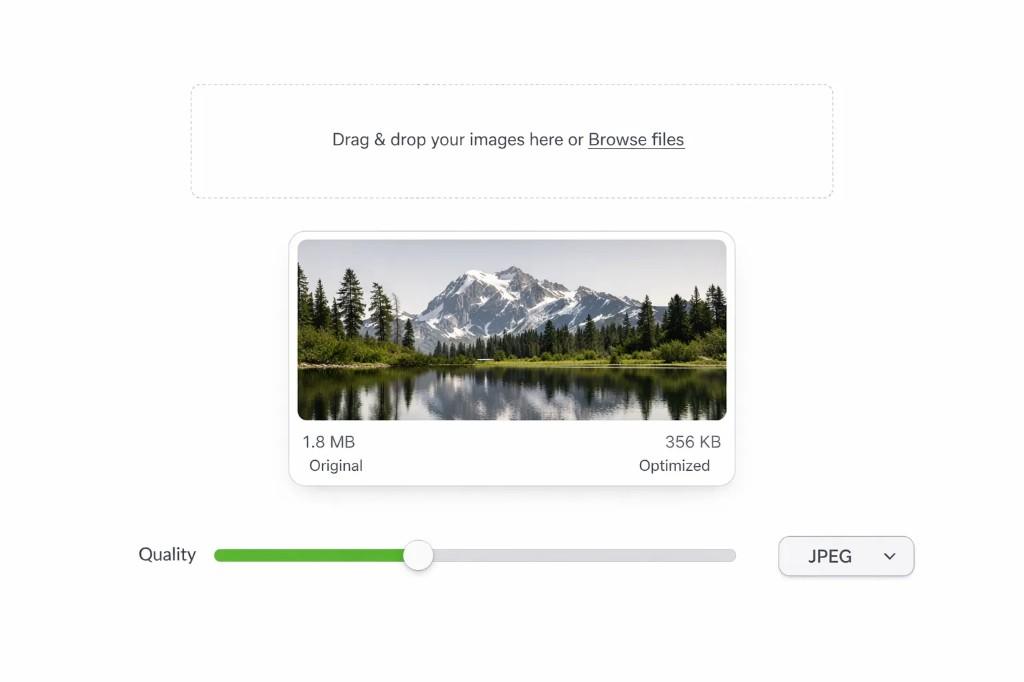
JPG to WebP converter interface showing upload area, image preview with original and optimized file sizes, quality slider, and format controls

How to convert JPG to WebP in seconds

Step 1

Upload your JPG or JPEG

Drag and drop your image into the converter or choose a file from your device.

Step 2

Adjust quality settings

Use the quality slider to balance file size and visual sharpness based on your needs.

Step 3

Download your WebP image

Preview the result, then save a valid WebP file instantly for web use.

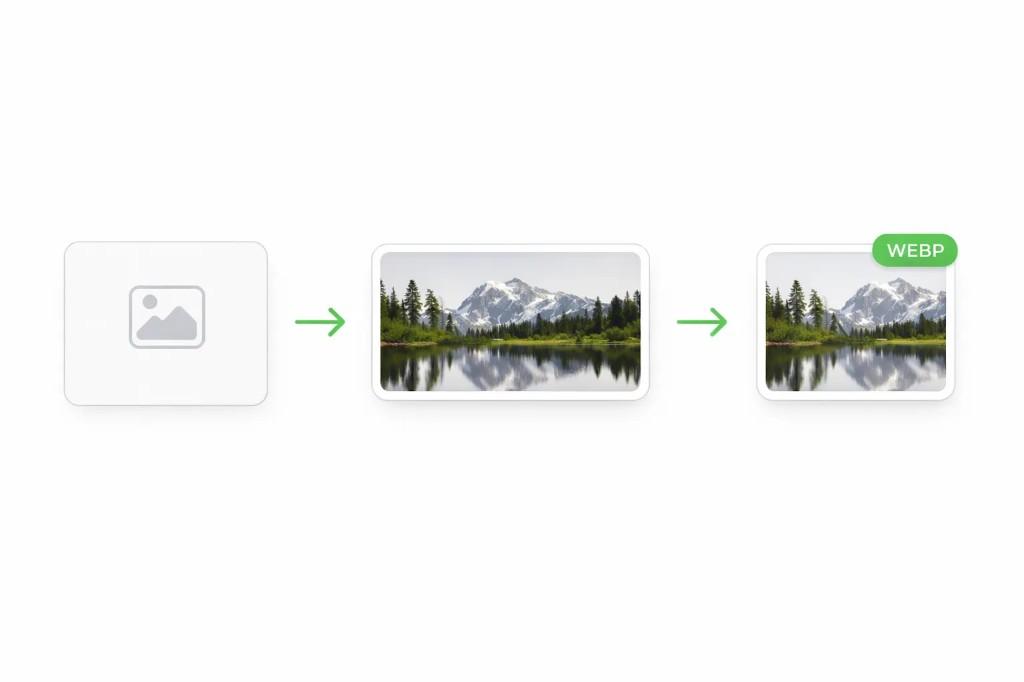
Visual workflow from image upload through processing to optimized WebP output

Why convert JPG to WebP?

WebP is designed to deliver smaller image files than standard JPG in many common web use cases. That matters when you want faster website images, lower bandwidth usage, and cleaner page delivery across desktop and mobile.

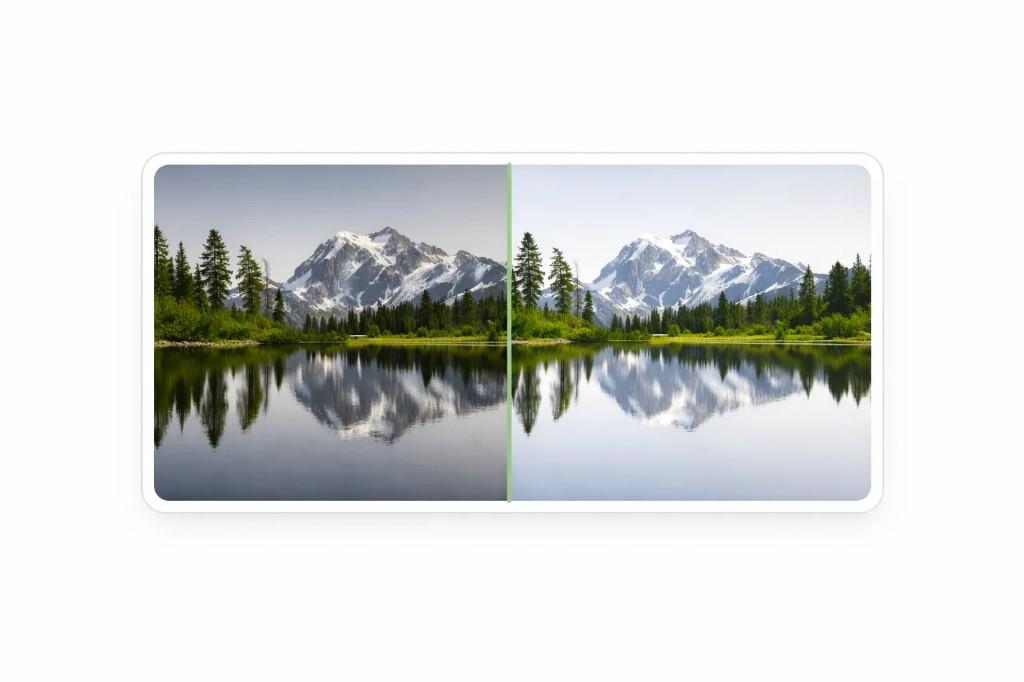
Before and after comparison showing image quality and optimization benefits of converting to WebP
Before · after

For publishers, store owners, and SEO teams, converting JPG to WebP is often a practical way to reduce image size without making pages look noticeably worse. Smaller images can support better loading performance, smoother WordPress uploads, and stronger image optimization for SEO.

Because images affect rendering, layout speed, and mobile usability, lighter formats can also help support Core Web Vitals images and performance-focused workflows.

Benefits

Smaller files for faster pages
Faster loading on mobile connections
Cleaner delivery across websites
Better support for user experience
Less bandwidth usage
More efficient WordPress media workflows

Best use cases for JPG to WebP

Blog post images

Make article visuals lighter so content pages feel faster and cleaner.

Featured images

Reduce oversized header and thumbnail images before uploading to WordPress.

Ecommerce product photos

Improve product page speed without unnecessarily sacrificing image quality.

Landing pages

Use lighter visuals to support faster load times and smoother conversion paths.

SEO workflows

Prepare image assets for performance-focused publishing and page speed improvements.

WordPress media library

Convert heavy JPG files before upload to keep your media library more efficient.

Why ConvertPixel.cloud's JPG to WebP converter feels faster

Browser-side processing

Your file is processed on your device for a faster, more private workflow.

Drag-and-drop upload

Quick file handling with a clean, friction-free interface.

Quality slider

Adjust output quality to control file weight and visual balance.

Instant preview

See the converted result before downloading.

Private workflow

No unnecessary uploads, storage, or account barriers.

Mobile friendly

Convert images from modern phones, tablets, and desktops.

Frequently asked questions

Convert JPG to WebP the cleaner way

Turn heavy JPG and JPEG files into lighter WebP images with private browser-based processing, built-in quality control, and fast results.

No uploads. No clutter. Just a faster way to prepare images for the web.

JPG vs WebP for websites

JPG is widely used and broadly compatible, but WebP is often better for websites where file weight and speed matter.

File size

WebP usually produces smaller files than JPG for similar web-quality output.

Speed

Smaller WebP files can help pages load faster, especially on mobile networks.

Browser support

WebP is supported across modern browsers, making it a practical format for most websites.

Quality

JPG is familiar and reliable, but WebP often gives a better balance of compression and quality for web delivery.